
SING SING & RTA
JOIN OUR MOVEMENT TO BREAK THE CYCLE OF INCARCERATION
Founded at Sing Sing Correctional Facility in 1996, RTA has provided arts-based workshops to thousands of incarcerated men and women, transforming lives and breaking the cycle of incarceration with proven results: less than 3% of RTA members return to prison, compared to 60% nationally.
SING SING, nominated for three Oscars and currently streaming, is a testament to the life-changing impact of our programs. Join our movement to break the cycle of incarceration—every dollar brings us closer to offering hope, growth, and a path to a brighter future for those we serve.
You can break the cycle by transforming a life today.
IMPACT OF RTA IN PRISON
While the US prison system is based on punishment, RTA continually demonstrates that an approach based on human dignity has a great and much-needed impact.
We use the arts as a tool to support emotional, social, and cognitive growth. Through the process, RTA participants gain critical life skills and agency, so they may change their lives while in prison and find success personally and professionally when released.
RTA’s compelling theatrical performances are extraordinary opportunities for the public to witness the talent and humanity behind prison walls, and for families to see the effort their loved ones are making to improve their lives.
About the Film
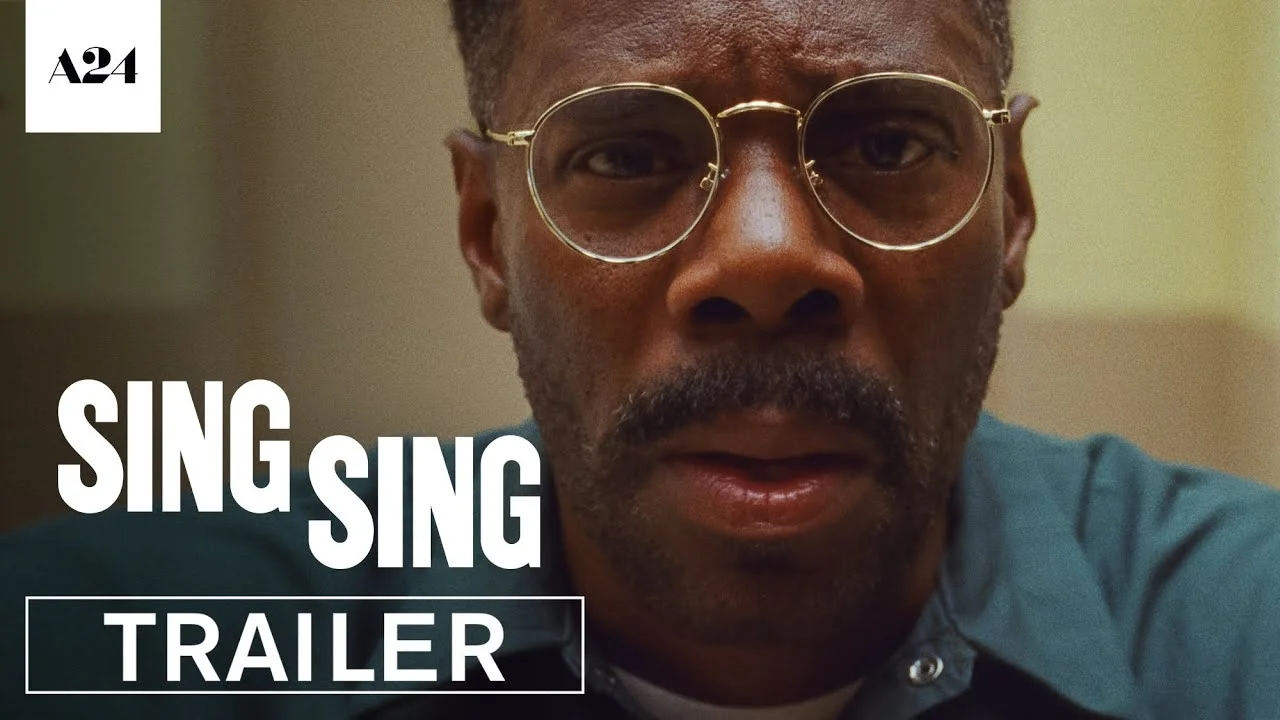
SING SING is the inspiring story of RTA alum John “Divine G” Whitfield (Colman Domingo), who finds purpose by acting in RTA’s Sing Sing Correctional Facility theater group alongside RTA alum Clarence Maclin, who plays himself. This is a stirring portrayal of resilience, humanity, and the transformative power of art starring an unforgettable ensemble cast of formerly incarcerated RTA participants.
“We’ve worked on this movie for over seven years, and every time I meet a new RTA participant or alumnus, I grow more confident that this is one of the most unique and transformative programs that I’ve ever encountered.”
– Greg Kwedar, Director of Sing Sing
FEATURED CAST AND CREW

Principal Cast, Executive Producer

Principal Cast, Executive Producer

Principal Cast
Principal Cast

Supporting Cast
Cameo, Executive Producer
Supporting Cast

Director, Writer, Producer

Writer, Producer

Producer
BACKGROUND ROLES
- Katherine Vockins, RTA Founder
- Cecily Lyn, RTA Teaching Artist
- Michael Capra, former Superintendent of Sing Sing Correctional Facility
- Joanna Chen, RTA Teaching Artist
- James E Williams, Big E, RTA Alum
- Cornell “Nate” Alston, RTA Alum
- David “Dap” Giraudy, RTA Alum
- Patrick “Preme” Griffin, RTA Alum
- Camillo “Carmine” Lovocco, RTA Alum
- Miguel Valentin, RTA Alum
- Dario Peña, RTA Alum
- Mosi Eagle, RTA Alum
- Pedro Cotto, RTA Alum
- Johnny Simmons
- Sharon Washington
FREQUENTLY ASKED QUESTIONS
How are the arts a vehicle for rehabilitation?
The arts do not depend on academic education or other prerequisites—anyone can participate. The arts are experiential and non-judgmental—there is no one correct answer. The arts develop the ability to see the world from different perspectives, encourage positive risk-taking, and allow for the discovery of hidden skills and talents.
The arts provide a bridge toward development in other areas. Over 40% of men and women incarcerated in New York State prisons enter the system without a high school diploma. RTA builds the skills and confidence that motivate people in prison to pursue additional education that leads to success in the workplace—the ability to communicate, set goals, solve problems and work collaboratively.
Is it true that the majority of the cast are RTA alums?
Yes, indeed! The majority of the cast members are RTA alums. One of the most remarkable aspects of Sing Sing is its authentic portrayal of people who have experienced the profound impact of RTA firsthand. The filmmakers were determined to cast as much of this film with the people who really lived it. It wasn’t just a philosophical choice, it was a recognition of the immense talent and pathos of the alumni from RTA.
How does RTA strengthen families?
RTA helps participants rebuild relationships by strengthening communication, emotional awareness, and accountability. Through creative work, individuals learn to express themselves more openly and reconnect with loved ones in meaningful ways. These skills help rebuild trust, deepen understanding, and support stronger, healthier family relationships during incarceration and beyond.