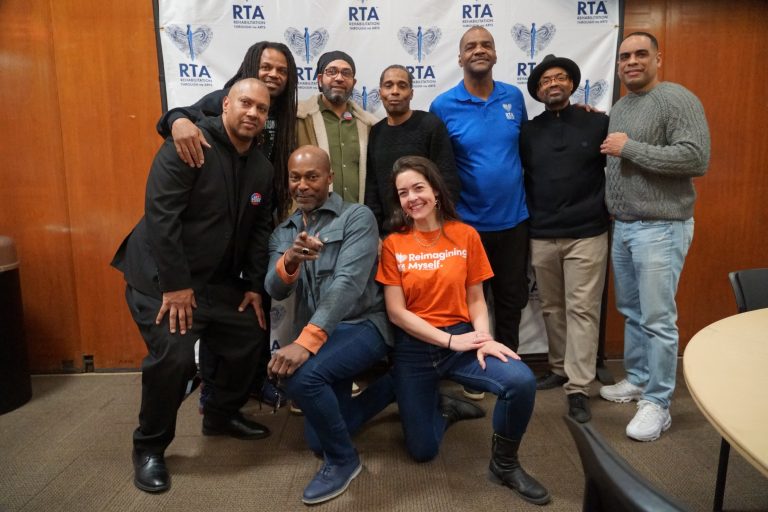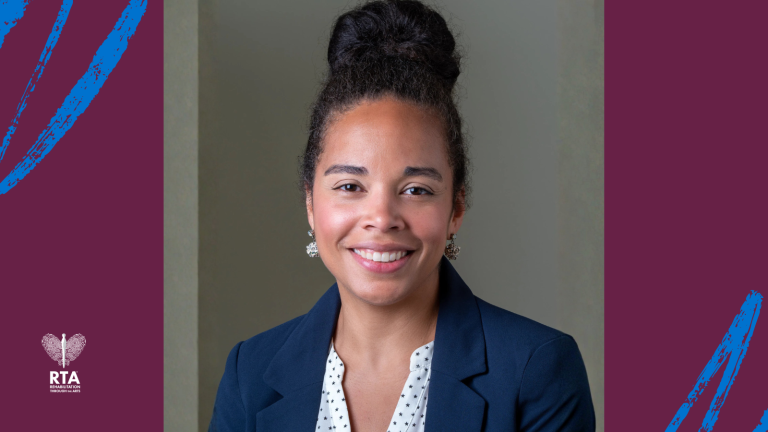


Rehabilitation Through the Arts (RTA) has transformed the lives of many, and two of its notable alumni—John “Divine G” Whitfield and Clarence “Divine Eye” Maclin—are making waves in the acclaimed film SING SING.
Both men, who spent significant portions of their lives incarcerated, found a path to redemption through RTA, and their stories of transformation are inspiring audiences both inside and outside the prison system.
Read on to learn more about John “Divine G” Whitfield & Clarence “Divine Eye” Maclin’s involvement with RTA, the film, and where they are now.
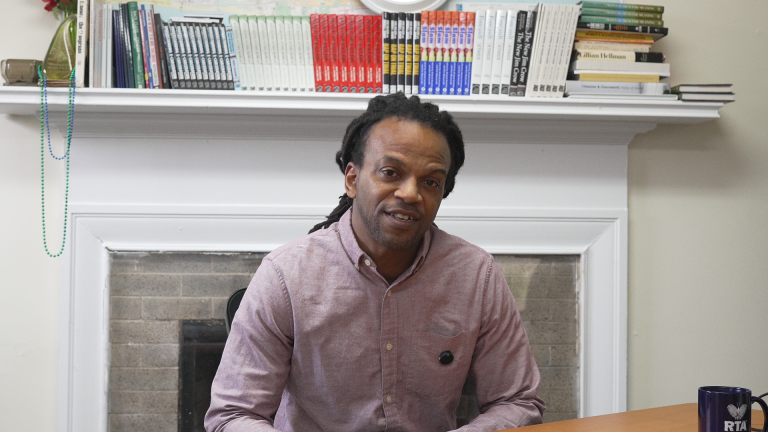
Feature image: John “Divine G” Whitfield (left) and Clarence “Divine Eye” Maclin (right).
_______
John “Divine G” Whitfield
John Whitfield, portrayed by Colman Domingo in SING SING, was one of the founding members of RTA. During his nearly 25 years in prison, John discovered his passion for writing and theater, winning multiple prestigious awards, including the PEN American Center awards and the Tacenda Literary Award. Through RTA, he penned over a dozen novels and screenplays, expressing that without the arts, his Divine G novels—now available in major bookstores—would not exist.
John’s involvement in SING SING as both an executive producer and the inspiration for one of its lead characters reflects his deep belief that the arts have the power to change lives. He sees the arts as a force that can unite people from diverse backgrounds and foster true community. John hopes that the film will remind viewers of the potential for incarcerated individuals to grow and change when given the right opportunities and support.
In the process of creating the film, director Greg Kwedar and co-writer Clint Bentley were introduced to John by Brent Buell, a former RTA teaching artist and key figure in the film (played by Paul Raci). Bentley recalls, “We met the Divines, and our lives were changed.” Kwedar was struck by John’s intensity and focus, describing him as the kind of person who doesn’t waste a second of his life. This intensity is palpable in John’s work and in the film, which aims to challenge the way society views incarcerated individuals and their potential to change.
Today, John is an accomplished writer, dancer and DJ and has started his own publishing company, Divine G Entertainment. He is actively working to get exonerated for the crime he was incarcerated for while continuing to write and advocate for prison arts programs like RTA, inspiring others with his personal journey of transformation.
Clarence “Divine Eye” Maclin
Clarence Maclin’s story is just as compelling. Once feared at Sing Sing Correctional Facility, Clarence’s life took a transformative turn after a chance encounter with RTA during a prison chapel performance. Drawn to the freedom of expression that theater provided, Clarence soon became a key figure in RTA productions. Through his involvement, he learned to see himself differently, realizing his value and potential as a human being.
In SING SING, Clarence plays a version of himself, showcasing the transformative power of the arts on screen. His on-set collaboration with actors like Colman Domingo has been described as a creative brotherhood. Clarence’s journey from a self-described “yard bandit” to a respected figure in the RTA community is a powerful testament to how the arts can help individuals reclaim their identities and change their trajectories.
Today, Clarence serves as an RTA ambassador, helping system-impacted individuals access the same opportunities that changed his life. He also works with at-risk youth, providing guidance to help them avoid the mistakes he once made. Through his work, Clarence embodies the message that no one is beyond redemption, and he continues to inspire both within and beyond the prison system.
The Legacy of RTA and SING SING
Both John and Clarence exemplify the core mission of RTA: to unlock the potential of incarcerated individuals through the transformative power of the arts. As John says, “I hope this movie inspires audiences to come to realize that all human beings have the potential to become better human beings when given a fair chance, proper resources, and a helping hand.”
Through SING SING, both men hope to shift public perceptions about those who are incarcerated, demonstrating that personal growth and change are possible when individuals are treated with respect and given the tools to succeed.
_________
We invite you to support RTA and our mission to bring healing and transformation through the arts. Your support enables us to expand our reach and provide life-changing programs to more individuals.