May is Mental Health Awareness Month, and with it comes the perfect moment to reflect not only on the importance of what we do at RTA — but the deeper why behind it.
At its heart, RTA believes in the power of the arts to unlock potential. The arts are all-inclusive, non-judgmental, and carry a low barrier to entry. You don’t need a degree, specialized training, or prior experience to participate — you simply need to show up. That openness is part of what makes the arts such an effective vehicle for expression, healing, and self-discovery.
While RTA is not an art therapy program, our participants continually experience the profound ways the arts transform their minds, confidence, and lives.
Engaging in the arts offers more than just creative fulfillment — it provides profound mental health benefits that resonate deeply with RTA’s participants. Artistic expression becomes a powerful outlet for processing emotions, building resilience, and fostering a sense of purpose, especially in environments where hope and agency can feel limited.
A comprehensive report by the World Health Organization (WHO) highlights that artistic activities promote holistic wellness, helping individuals navigate difficult emotions, reduce stress, and support recovery from adversity (WHO Arts and Health Initiative). Similarly, research published in the American Journal of Public Health shows that creative engagement can reduce anxiety and depression and enhance emotional well-being, especially among individuals facing chronic stress or health challenges (AJPH study on arts and health).
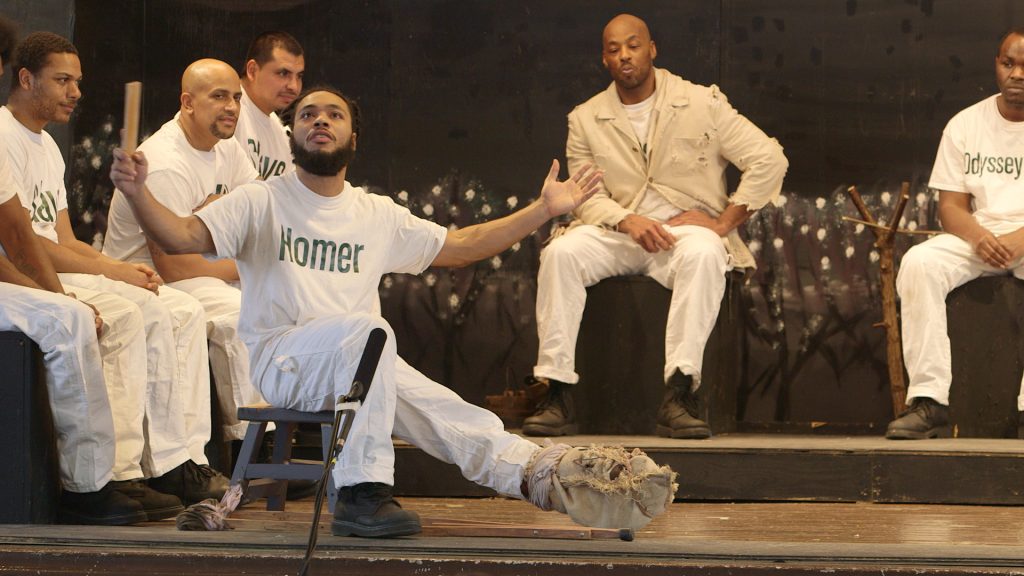
We see this reflected daily in RTA’s workshops. Participants often express feeling more centered, connected, and confident after engaging in theater, visual arts, or creative writing. Artistic practice nurtures self-esteem, encourages reflection, and strengthens the emotional tools necessary for navigating both incarceration and life beyond prison walls.
When someone steps into an RTA workshop, they’re not just learning to act, write, or create — they’re developing life-changing skills that ripple far beyond the arts. The experiential nature of creative practice encourages positive risk-taking, strengthens problem-solving abilities, and reveals hidden talents. For many participants, it’s the first time they experience the freedom to explore new parts of themselves without judgment or rigid rules.
This growth isn’t just personal; it’s practical. Over 40% of individuals incarcerated in New York State prisons enter without a high school diploma, yet through RTA, they gain confidence, sharpen communication, and build collaborative skills — the very tools that motivate them to pursue further education and prepare for reentry.
The arts create a bridge: they connect self-expression to empowerment, unlocking pathways toward purpose, leadership, and community impact. When individuals develop resilience and self-belief through creative work, they’re better equipped to contribute meaningfully, both inside and far beyond prison walls.
As we reflect on Mental Health Awareness Month, we’re reminded that the arts are not just a form of creative expression — they are a lifeline that empowers individuals to transform their lives. RTA’s participants often enter our programs facing significant challenges, but through art, they discover new strengths, build resilience, and find purpose. This transformative journey doesn’t end when the workshops conclude; for many, it’s just the beginning of a remarkable new chapter.
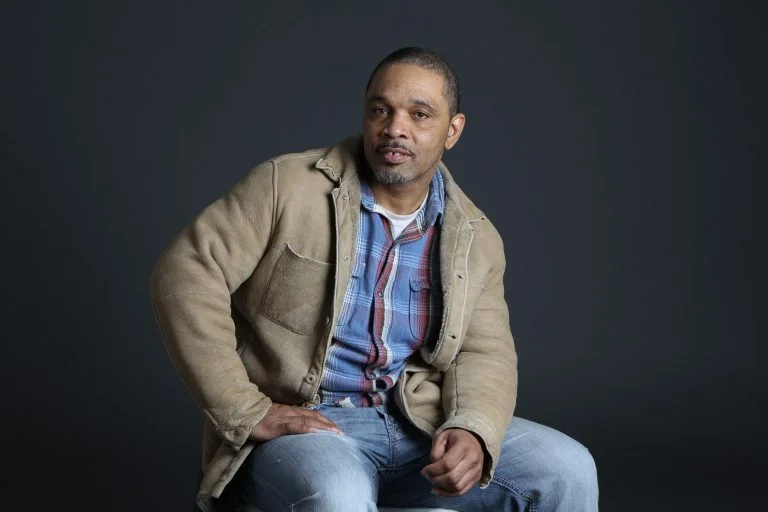
Our alumni exemplify this success. Take Clarence Maclin, whose passion for acting has not only earned him recognition in the film industry but has led him to several prestigious award nominations, including a win at the Gotham Awards and an Oscar nomination. Or Phil Miller, who, after completing his legal studies, became the first RTA alumnus to serve as an Assistant District Attorney, proving that the tools for success go far beyond the arts. These are just a few examples of the incredible alumni making a difference, proving that the skills developed through the arts — from self-expression to leadership — extend far beyond the workshop.
Their achievements are a direct testament to the power of creative practice and to the lasting impact RTA has on personal transformation. As we move forward, we remain committed to helping individuals unlock their potential, build lasting skills, and contribute meaningfully to their communities, all through the power of art.